
MSC THERAPY FOR HORMONAL AND ENDROCRINE IMBALANCES

Hormonal and endrocrine imbalances where MSC therapy has been studied or explored as supportive care at KSAA STEMCARE

Thyroid disorders

Adrenal insufficiency

Pituitary gland disorders

Premature ovarian failure

Infertility related to hormonal dysfunction

Polycystic ovary syndrome (PCOS)

Growth hormone deficiency

Menopause-related hormonal imbalances

Metabolic syndrome

How does MSC therapy aid in hormonal and endrocrine imbalances

Stem cell therapy addresses hormonal and endocrine imbalances primarily by treating the root cause, dysfunctional or damaged tissue rather than just supplementing the missing hormones (as with traditional medication).

The therapy typically works through three main mechanisms:

1. Regeneration (Fixing the Factory)

a. Differentiation:
Stem cells (particularly Mesenchymal Stem Cells (MSCs)) have the potential to differentiate into specific functional cells, such as insulin-producing beta cells for the pancreas or follicular cells for the thyroid.

b. Tissue Repair:
They migrate to the site of damage and replace dead or malfunctioning cells, potentially restoring the gland’s ability to produce hormones naturally.
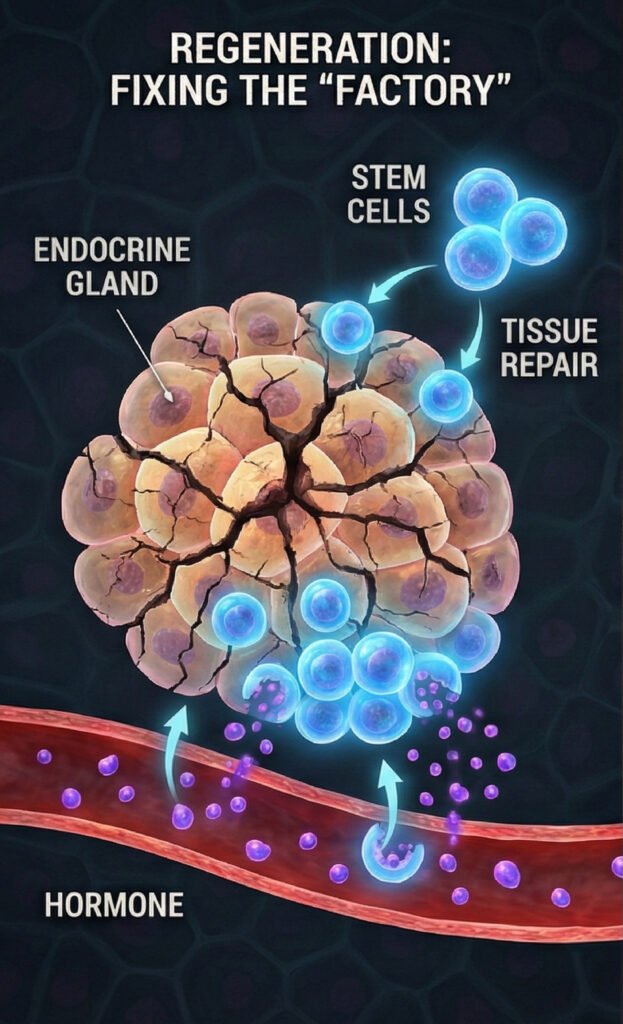
In traditional treatments like Hormone Replacement Therapy (HRT) or insulin injections, you are artificially importing the product (hormones) because the factory (the gland) is broken. Stem cells aim to repair the factory itself.

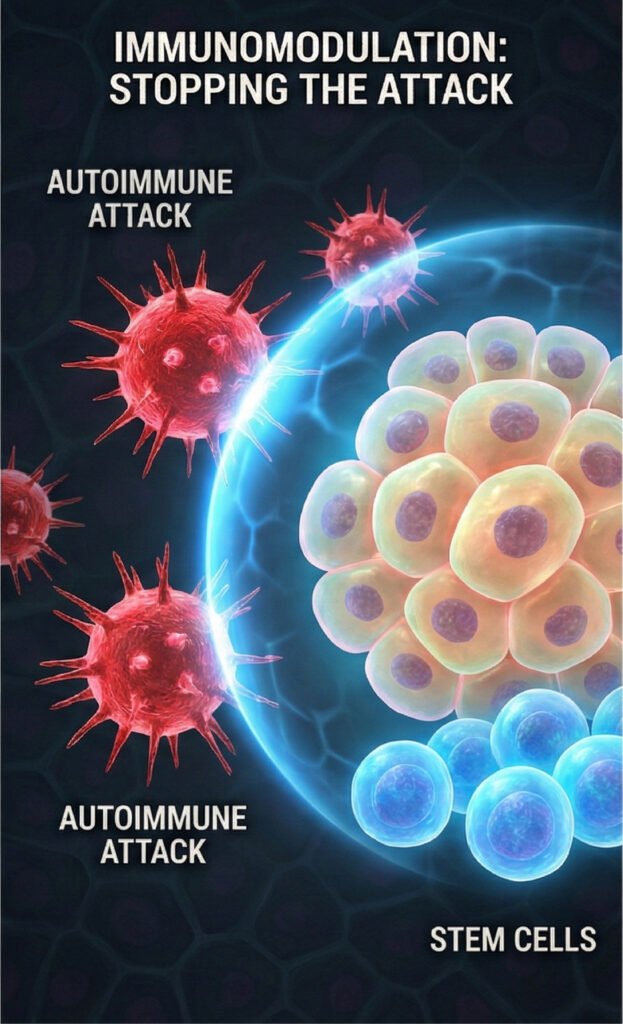
2. Immunomodulation (Stopping the Attack)

a. Calming the System:
Stem cells have unique immunomodulatory properties. They can “reset” or calm an overactive immune system, stopping it from destroying the remaining healthy tissue in the thyroid, pancreas, or adrenal glands.

b. Preservation:
By halting the autoimmune attack, the therapy helps preserve the gland’s remaining natural function.

Many endocrine disorders are autoimmune, meaning the body's immune system mistakenly attacks its own glands (e.g., Hashimoto’s thyroiditis, Type 1 Diabetes, or Addison’s disease).

3. Anti-Inflammation & Signaling (Paracrine Effect)

a. Reducing Inflammation:
Chronic inflammation often prevents glands from functioning correctly. Stem cells release powerful anti-inflammatory agents to reduce swelling and stress in the endocrine tissues.

b. Angiogenesis:
They promote the formation of new blood vessels, improving blood flow and nutrient delivery to the damaged glands.

Even if the stem cells do not turn into new tissue, they release chemical signals (exosomes, cytokines, and growth factors) that help the local environment.

1. Regeneration (Fixing the Factory)

a. Differentiation:
Stem cells (particularly Mesenchymal Stem Cells (MSCs)) have the potential to differentiate into specific functional cells, such as insulin-producing beta cells for the pancreas or follicular cells for the thyroid.

b. Tissue Repair:
They migrate to the site of damage and replace dead or malfunctioning cells, potentially restoring the gland’s ability to produce hormones naturally.
In traditional treatments like Hormone Replacement Therapy (HRT) or insulin injections, you are artificially importing the product (hormones) because the factory (the gland) is broken. Stem cells aim to repair the factory itself.

2. Immunomodulation (Stopping the Attack)

a. Calming the System:
Stem cells have unique immunomodulatory properties. They can “reset” or calm an overactive immune system, stopping it from destroying the remaining healthy tissue in the thyroid, pancreas, or adrenal glands.

b. Preservation:
By halting the autoimmune attack, the therapy helps preserve the gland’s remaining natural function.

Many endocrine disorders are autoimmune, meaning the body's immune system mistakenly attacks its own glands (e.g., Hashimoto’s thyroiditis, Type 1 Diabetes, or Addison’s disease).

3. Anti-Inflammation & Signaling (Paracrine Effect)

a. Reducing Inflammation:
Chronic inflammation often prevents glands from functioning correctly. Stem cells release powerful anti-inflammatory agents to reduce swelling and stress in the endocrine tissues.

b. Angiogenesis:
They promote the formation of new blood vessels, improving blood flow and nutrient delivery to the damaged glands.

Even if the stem cells do not turn into new tissue, they release chemical signals (exosomes, cytokines, and growth factors) that help the local environment.

Get a Free Consultation for MSC Treatment Now!

Consult with our experienced professionals today and take the first step toward a healthier life.

Get a Free Consultation for MSC Treatment

Consult with our experienced professionals today and take the first step toward a healthier life.